
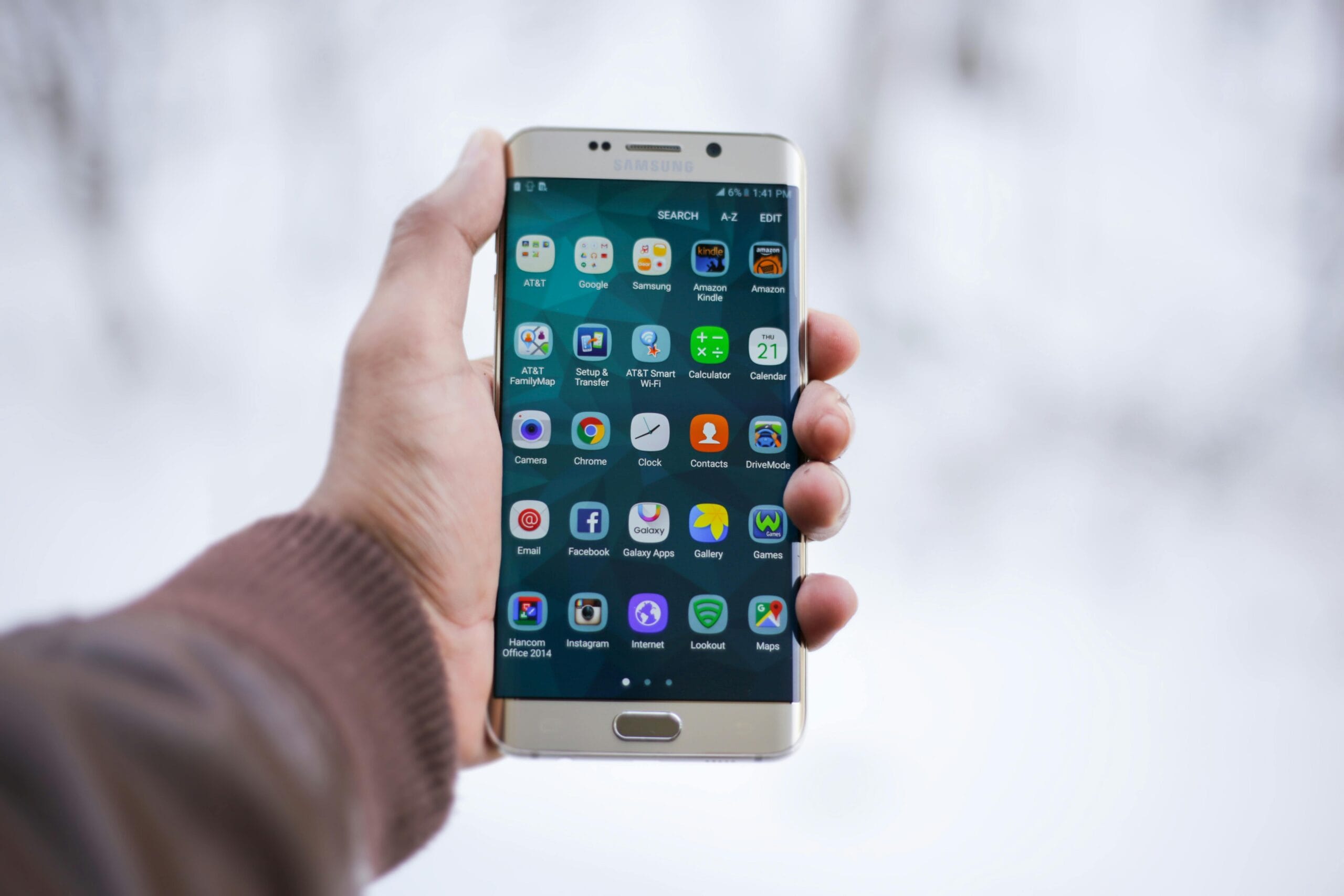
When people hear “budget phone,” they often imagine a device that’s slow, clunky, or unreliable. Many also assume that signing up for a cheap plan means giving up on service quality, security, or features. In truth, both the best budget phone and an affordable cell plan these days can deliver a very solid user experience. This post will dismantle five common myths around quality budget phones and best affordable cell phones, so you can feel confident choosing a cost‑effective device that still delivers reliability, performance, and essential features.
We’ll tackle misconceptions about call quality, app use, security, camera performance, and longevity. By the end, you’ll see that going with a cost‑friendly handset and plan doesn’t mean settling for less.
Myth #1: Budget Phones Have Poor Call Quality
Many believe that only expensive phones can handle crystal‑clear voice calls. But today, carrier networks have evolved so that even basic models can deliver clear voice performance. Carriers now support technologies like Voice over LTE (VoLTE) and WiFi calling on many lower-cost devices. That helps calls stay clear, even in weaker signal zones.
With Affinity Cellular, calls are routed and managed in a way that maintains consistent voice quality. Even if your handset is modest, the network technology behind it keeps things reliable. So the idea that only pricey phones offer good calls is outdated.
Myth #2: You Can’t Use Popular Apps on a Budget Phone
Some worry that if they choose a lower-priced phone, they won’t be able to run everyday apps like messaging, social media, or banking. In practice, most of those apps are optimized to run smoothly on entry-level devices.
It is true that very demanding apps (advanced games, augmented reality tools, etc.) will perform better on high-end hardware. But for essentials like texting, video calls, maps, or checking email, a budget phone usually handles them fine.
If performance is a bit sluggish, look for lightweight alternatives (for example, “Lite” versions of apps) or uninstall unnecessary background apps. These tweaks help even modest handsets stay usable without needing power or storage that you normally see in the most expensive phones.
Myth #3: Budget Phones Aren’t Secure
Security is a concern for everyone, and the assumption that “cheap means unsafe” is widespread. But modern Android and iOS versions deploy important security patches across devices, including more budget models. Many manufacturers now push updates long after release.
Additionally, even the best affordable cell phones include security measures like PINs, biometric locks (fingerprint or facial recognition), and support for two‑factor authentication. Those are among the first and strongest lines of defense.
The cost of a phone doesn’t change your ability to stay safe — your behaviors do. Keep software current, use strong passwords, avoid sketchy downloads, and security remains robust even on a budget device.
Myth #4: You Miss Out on Camera Quality Entirely
It used to be true that cheap phones produced unusable photos. But nowadays, many budget phones include surprisingly capable cameras, especially for everyday use like snapshots, video calls, and social media posts.
That said, camera quality depends heavily on lighting, composition, and image processing. Even a modest sensor can deliver decent results in good light. Learning basic tricks — such as avoiding backlighting, holding the phone steady, and using natural light — often makes a bigger difference than having more megapixels.
If photography is a priority, you might eventually want to upgrade. But if you mainly use your phone camera for quick photos, many budget phones with good camera capability already deliver more than enough value.
Myth #5: Budget Phones Don’t Last Very Long
There is a belief that cheaper phones break sooner or become obsolete more quickly. But with reasonable care, many budget models can last years. Battery care habits, avoiding extreme temperatures, and staying up to date all extend a phone’s life.
Some budget phones are built for everyday durability with reinforced frames or materials. And when replacement becomes necessary, it’s far less expensive than swapping out a premium flagship.
Because the upfront cost is low, the risk is lower. Even if a phone reaches its end earlier than a premium model, the cost to replace it is modest. That gives you flexibility.
Extra Benefits of Budget Phones People Overlook
- Simplicity: Fewer preloaded apps and simplified interfaces make these phones friendlier, especially for those who just want calls, texts, and essentials.
- Lower loss risk: If it’s lost or stolen, the financial hit is smaller.
- Better battery life: Since there are fewer demanding background processes, modest phones often stretch battery life further under light use.
These advantages often go unmentioned when people talk about “cheap” phones.
Clearing Up the Confusion About Budget Phones
We’ve walked through five myths and shown how they often don’t hold true anymore. Choosing the best budget phone or cell plan doesn’t mean making big sacrifices. When you pair a good device with quality budget phones in mind and a trustworthy provider like Affinity Cellular, you get value without costly trade‑offs.
If you’re thinking about switching or getting a new phone, keep these realities in mind. You deserve reliable service, clear calls, security, and camera ability, even on a budget. And we’re here to help you find that balance.